
How to Digitize Rent Collection While Keeping a Clean Audit Trail
A practical guide to digitizing rent collection without breaking the chain from lease to invoice, payment, receipt and settlement, with a look at where Maktabi fits.
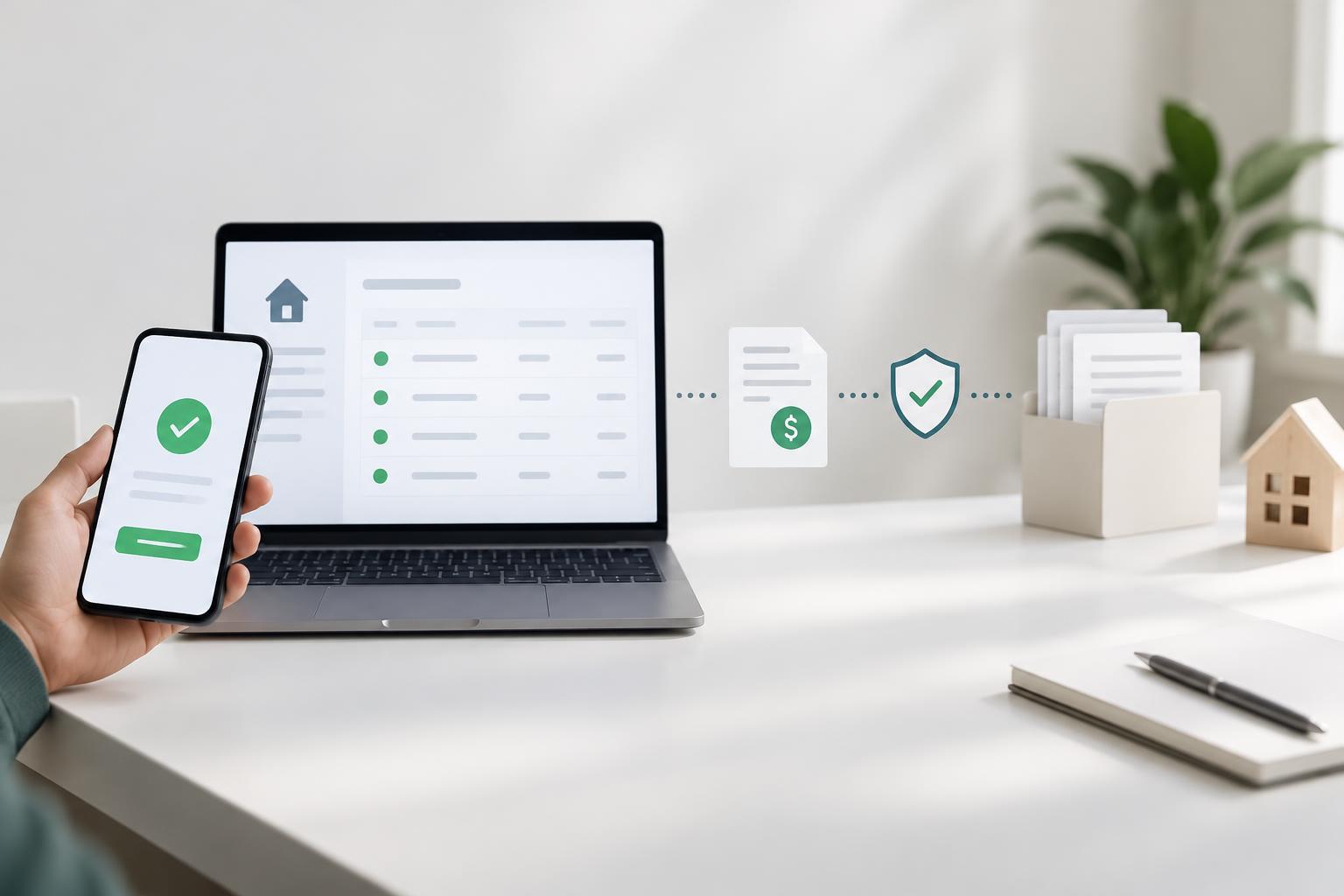
How to Digitize Rent Collection While Keeping a Clean Audit Trail
Rent collection is a record-keeping job disguised as a payment job. The money matters, but so does the evidence: who was billed, for which unit and period, what they paid, when it arrived, which receipt was issued, and who changed the record. Digitize only the payment step and you create a faster mess. Digitize the full cycle and you get cleaner cash flow and an audit trail that holds up.
1. Design the audit trail before you choose a tool
Define the record every rent transaction must leave. One traceable thread should connect:
- the lease and tenant
- the unit and billing period
- the invoice or rent charge
- the payment method, reference, and who recorded it
- the time the payment was recorded
- the receipt and e-invoice
- the settlement or bank deposit
- every adjustment, with who made it and why
This is how you answer a tenant dispute, close the month, support an auditor, or find the one payment that did not match. A clean audit trail is designed before migration, not patched afterward.
2. Put the rent cycle in one system
The fastest way to lose an audit trail is to keep lease data in one place, invoices in another, payment proof in WhatsApp, and receipts in a spreadsheet. Every system may be digital. The chain is still broken.
Use one property management system as the source of truth for tenant onboarding, rent schedules, charges, payments, receipts, and communication. Recurring rent should generate from the lease, not a manual list. Every charge should have an ID. Every payment should point back to a charge. Every receipt should point back to a payment.
Maktabi, our property management platform, covers tenant onboarding, rent cycles, digital payments via Tap, receipt generation, e-invoice compliance, maintenance dispatch, and WhatsApp-native communication on web and native iOS and Android apps. The rent record and the tenant conversation stay together instead of being reconstructed later.
3. Capture proof at the point of payment
A payment is not fully recorded until you can prove it happened. Digital collection should capture a unique payment reference, payer and tenant account, amount and currency, payment date, channel, and the receipt issued at confirmation.
A screenshot in a chat is not a ledger entry. If a tenant sends a transfer receipt, match it to the right invoice and store it against the tenant record. Do not leave it in a message thread.
Maktabi includes AI payment-proof verification and automated WhatsApp rent reminders. Used inside a controlled workflow, those capabilities can shorten the gap between “I paid” and a matched, documented payment. The record should still show the match, the timestamp, and the person or process that confirmed it.
4. Automate receipts and compliant e-invoicing
Documents should come from the transaction record. Do not let staff retype invoice numbers or receipt amounts. The system should issue the receipt from the confirmed payment, apply the correct VAT treatment, and keep the document retrievable.
We build ZATCA-compliant e-invoicing, append-only audit ledgers, and region-aware, VAT-aware billing into products that handle money. Maktabi includes compliant e-invoicing and receipt generation as part of its workflow. The invoice, payment, and receipt stay connected.
Append-only is the key idea. A correction should create a new entry that references the old one. It should not erase history. If a payment is reversed or a charge is adjusted, the trail should show the original entry, the change, the reason, and the author.
5. Reconcile settlements on a schedule
Collecting rent is one event. Settling it to the bank is another. Reconcile three layers: tenant payment against rent charge; gateway settlement against tenant payments, fees, refunds, and chargebacks; and bank deposit against the settlement report.
Do this daily or weekly. Monthly reconciliation hides errors until they are expensive. Keep a variance log for every unmatched item, with an owner and a close date.
Maktabi includes Tap↔Zoho settlement reconciliation, which connects payment settlement with accounting records rather than leaving the agency to compare exports by hand. Automation does not remove the need for review. It makes exceptions easier to find.
6. Control access and keep communication attached
An audit trail is only as reliable as the permissions around it. Decide who can create a charge, record a payment, approve a waiver, issue a refund, and edit tenant data. Separate duties where practical. The person who collects rent should not be the only person who can delete a receipt.
Use role-based access, approval thresholds, reason codes, and an activity log. Maktabi supports multi-tenancy by agency, which keeps each agency’s records in its own tenancy. Our product foundation includes multi-tenancy and audit trails, and we ship native mobile apps. Staff can work from a phone without turning the trail into personal messages and screenshots.
Rent reminders belong in that same record. They are evidence of communication. Keep them attached to the tenant and charge, showing what was sent, when, through which channel, and whether it was delivered. Automated WhatsApp reminders can reduce late payments, but only when they are consistent and logged. Do not let a side conversation promise a waiver or extension without updating the account.
7. Close the month and migrate with control
A useful close includes the rent roll and aging report, invoice register, receipts issued, gateway settlement report, bank reconciliation, exception log, and open disputes. Export these from the system, not individual inboxes. Store the pack with the accounting period.
Migration needs the same discipline. Clean the lease list. Agree opening balances. Map old invoice and receipt numbers. Load active tenants first. Run one billing cycle in parallel. Test partial payments, overpayments, refunds, late fees, and multi-currency cases if you operate across currencies. Then switch. Keep a read-only archive of the old system and document how to retrieve it.
The bottom line
Digitized rent collection is not a payment link plus a spreadsheet. It is one controlled chain from lease to charge to payment to receipt to settlement, with every change recorded. Get that chain right and collections get faster, disputes get shorter, and audits get calmer.
Maktabi brings rent collection, payment verification, compliant e-invoicing, and WhatsApp-native communication into one property management platform. If you are ready to replace fragmented rent records with a traceable workflow, talk to Dal Dom about Maktabi.